
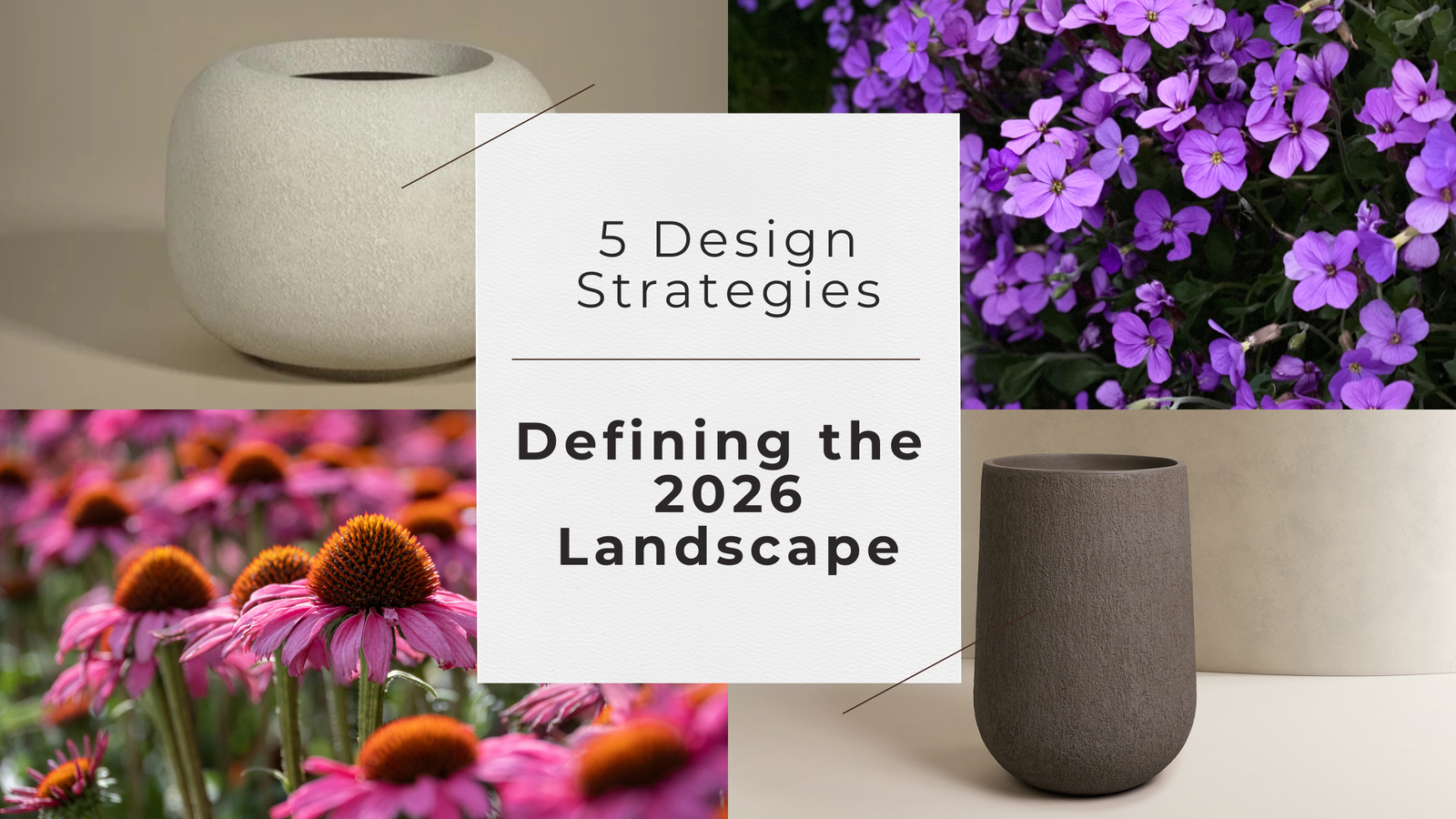
As landscape design advances into 2026, professionals must anticipate aesthetic shifts just as much as technological and ecological ones. From climate-forward planting to refined color storytelling in both large landscapes and container gardens, the palette of today’s outdoor spaces reflects deeper cultural, environmental, and market forces. Below is a detailed look at the trends shaping the year ahead.
1. Color as a Strategic Design Tool (Not an Afterthought)
In 2026, color trends in the landscape are evolving from simple accents to cohesive palette strategies that inform plant choices, material finishes, and spatial experience. Designers are leveraging color to define mood, unify materials, and support brand identity across projects.
Garden & Landscape Color Directions:
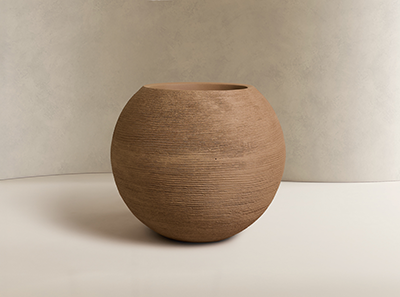
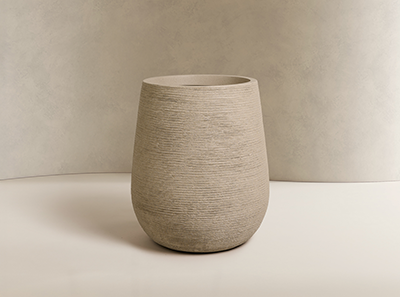
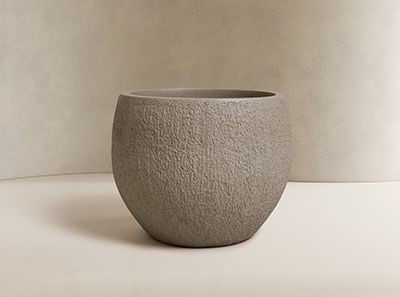
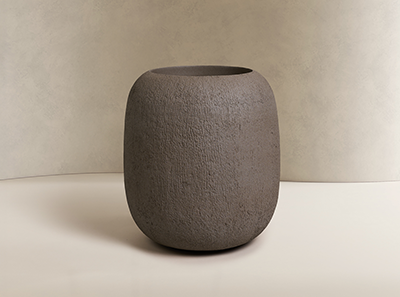
- Earth-led neutrals: Warm stone, clay, soft taupe, and sand tones create timeless backdrops, beautifully pairing with both natural stone and planting schemes.
- Deep, rich greens: Evergreen, moss, and eucalyptus hues bring weight and calm to designs, reinforcing biophilic connections.
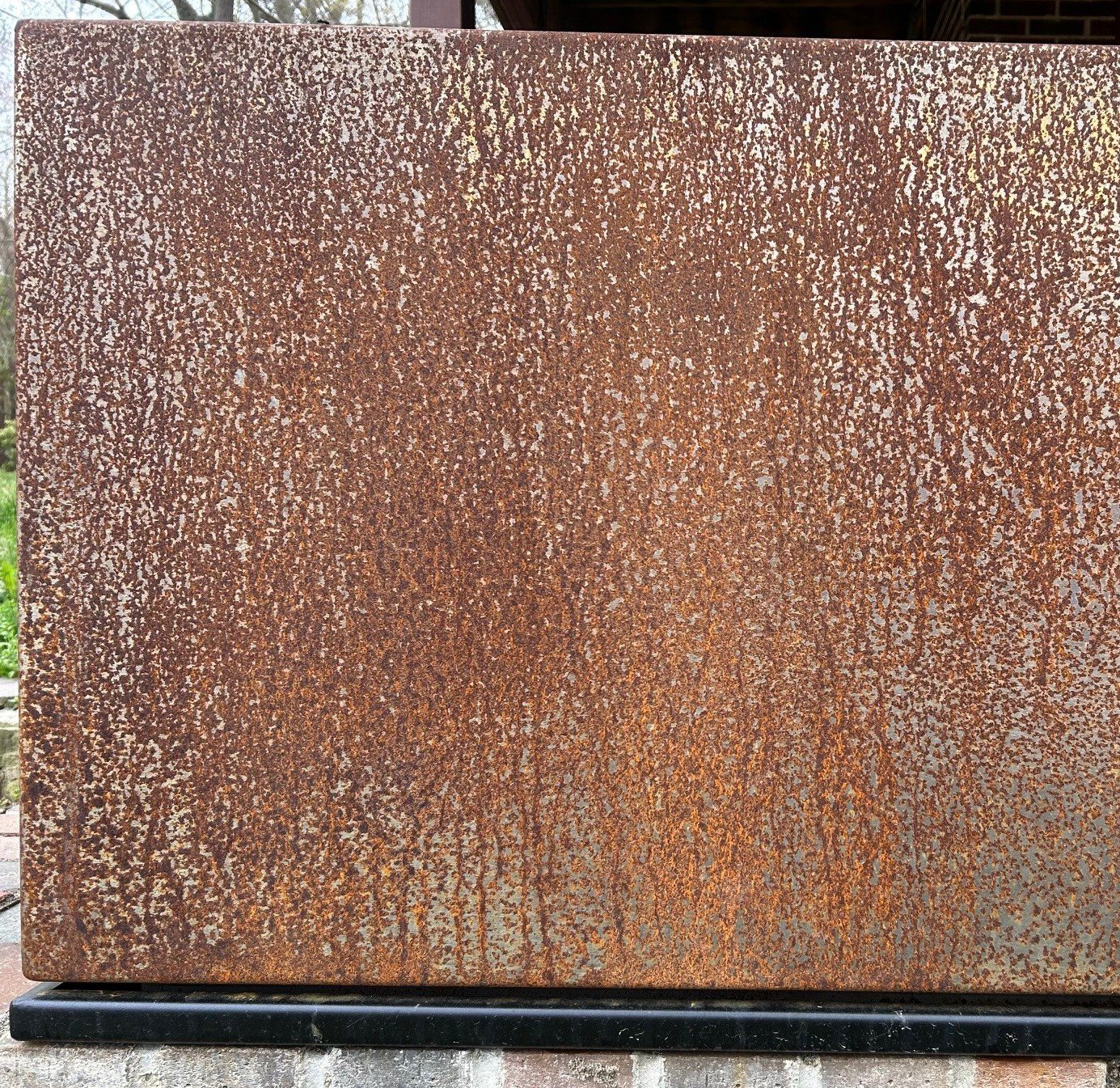
- Subtle accents: Burnt rust, dusky pinks, wine reds, and berry tones offer restraint without overwhelming the primary palette.
- Cool contrast tones: Greyed blues and soft charcoals appear in hardscape materials and furnishings, lending a modern edge when paired with warm neutrals.
Plant‐Driven Color Trends:
- Faded petal is a soft, dust-kissed pink is being highlighted as a key color story of 2026, bringing gentle romance and nuance to planting schemes, per garden trend forecasters.
- Jewel-tone blooms in fiery reds, velvety plums, and rich burgundies are gaining prominence for richness and drama in perennial and shrub palettes.
- Overall palettes are warmer and more expressive compared with the cooler minimalism of earlier years, embracing earthy terracottas, muted greens, and layered foliage colors.
Professional Design Implications:
For firms, this means specifying color early in the design process — not just in planting palettes, but in hardscape materials, container finishes, cushions, and even lighting palettes — to ensure a cohesive visual narrative.
2. Material & Palette Synergy: ‘Warm Minimalism’ Meets Modern Context
Design trends are pushing past stark black accents toward warm minimalism — where earthy, textural finishes complement softer color palettes. This aesthetic supports both contemporary and classic landscapes.
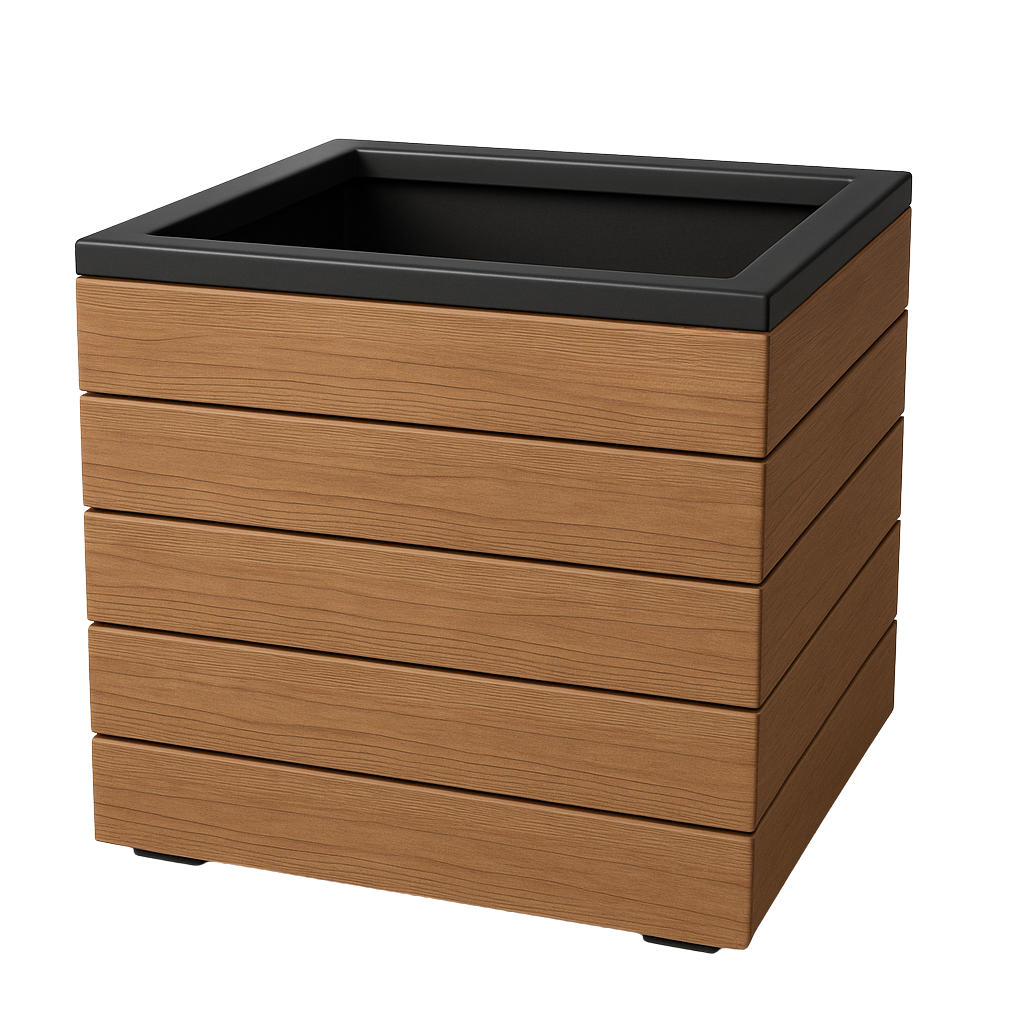
- Natural finishes like raw cedar, limewashed stone, sand-toned limestone, and weathered metal add tactile warmth to spaces.
- Containers, outdoor furnishings, and architectural elements in terracotta, beige, and warm gray reinforce the palette without competing with planting color.
This harmonizes with broader landscape color trends and reinforces material cohesion and crucial when presenting professional proposals to clients who expect unified design intent from concept through execution.

3. Container Gardens as Color Platforms
Containers are emerging as strategic color anchors within larger landscapes and amenity spaces:
- Sculptural planters in muted neutrals or warm earth tones offer versatile backdrops for seasonal plantings.
- Designers are using accents like faded petal or rust tones in container plants or pot finishes to create visual focal points without overwhelming the palette.
- Color in container gardens allows for quick seasonal refreshes in amenity areas, rooftop terraces, and commercial plazas, enabling brands or developers to evolve the space visually throughout the year.
For commercial audiences, this elevates containers from functional elements to tools of visual storytelling, capable of reinforcing brand aesthetics or seasonal narratives.
4. Integrating Color with Sustainability and Ecology
Color in planting design is increasingly tied to ecological purpose:
- Warm, sunset-inspired tones and deep greens reflect not just aesthetic preference but ecological resilience aligning with native plant palettes and climate-smart species selection.
- Muted, natural hues help landscapes blend into their context, important for both urban and rural sites, while still offering depth and sophistication.
This offers firms a language for selling sustainability: clients want landscapes that perform ecologically and resonate emotionally through thoughtful color and material choices.
5. Broader Aesthetic & Business Takeaways for 2026
Move Beyond Monochrome:
The era of purely cool grays and stark minimalism is fading. Clients now appreciate layered palettes that feel grounded and expressive.
Use Color to Communicate Value:
Color trends can be woven into marketing materials, client boards, and brand narratives, signaling that your firm is both current and conceptually sophisticated.
Document Color Standards Professionally:
Include clear palette guidelines with material, plant, and container finishes in project manuals. This reduces ambiguity for contractors and aligns expectations across stakeholders.
Conclusion: Color as Strategy
In 2026, color is a strategic asset in landscape architecture and design are integral to ecological performance, client experience, and brand expression. From warm neutrals and jewel tones in planting palettes to material finishes and container accents, color trends inform how landscapes feel, function, and perform. For firms poised to leverage these insights, the year ahead promises opportunities to differentiate through intentional, layered, and purpose-driven design.
Let’s collaborate on solutions that combine climate-smart design, refined color palettes, and expertly specified container systems to deliver lasting impact. Email us today!